No products in the cart.
Bathroom Wall Tiles Australia: An Affordable Buying Guide
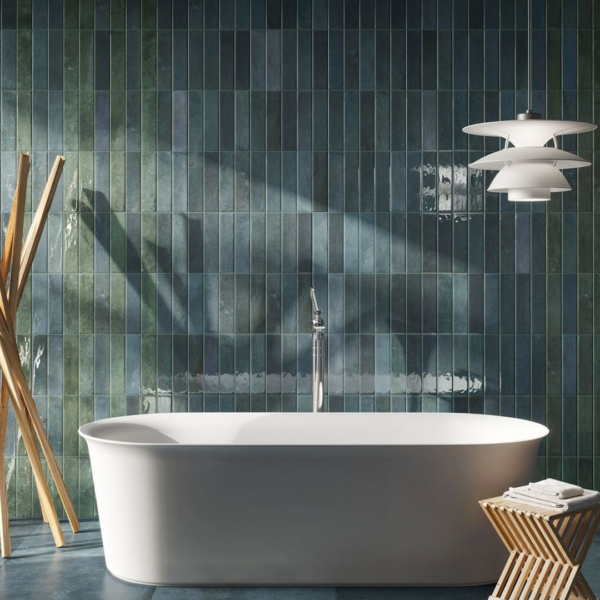
Choosing tiles for a bathroom wall requires more than selecting an attractive colour. The best bathroom wall tiles Australia homeowners can buy should suit wet-area conditions, remain easy to clean, match the dimensions of the room and stay within the total renovation budget.
Ceramic tiles are often a practical choice for cost-conscious renovations, while porcelain, mosaics and decorative tiles provide additional options for shower walls, vanity areas and feature surfaces. At Cheapestiles, homeowners, renovators and contractors can compare affordable tile styles for bathrooms of different sizes and design requirements.
What should Australian homeowners look for in bathroom wall tiles?
Bathroom wall tiles should be suitable for the intended wet area, compatible with the prepared wall surface and practical to maintain. Tile size, weight, finish, grout requirements and installation complexity can all affect the final cost.
Before ordering tiles, compare the following factors:
- Wet-area suitability
- Tile material and weight
- Surface finish
- Tile dimensions
- Grout joint requirements
- Cleaning and maintenance
- Installation cost
- Availability from the same production batch
A low tile price does not always result in the lowest overall project cost. A complicated pattern, excessive cutting or a surface requiring specialist maintenance may increase labour and long-term upkeep.
For straightforward product comparison, buyers can begin with the dedicated bathroom wall tiles collection and then narrow the range by material, colour, finish and format.
Which materials work best on bathroom walls?
The most common materials for bathroom walls are ceramic, porcelain, mosaic and natural stone. Each material serves a different purpose, so the best selection depends on the installation area, desired appearance and available budget.

Affordable bathroom wall tiles for modern Australian homes
Are ceramic tiles a good affordable option for bathroom walls?
Ceramic bathroom wall tiles are one of the most accessible choices for budget-conscious homeowners. Ceramic tiles are generally lighter than dense porcelain products, relatively easy for installers to cut and available in many gloss, matt, subway and decorative formats.
Ceramic wall tiles work particularly well on:
- Main bathroom walls
- Vanity splashbacks
- Powder room walls
- Laundry splashbacks
- Shower walls, when the product is specified for wet areas
- Partial-height tiled areas
A simple ceramic subway tile can create a clean bathroom without requiring a premium material budget. Buyers comparing wall-specific products can explore the ceramic wall tile range.
When should homeowners choose porcelain wall tiles?
Porcelain bathroom tiles are denser and can provide a coordinated appearance across walls and floors. Porcelain is often selected for large-format designs, marble-look surfaces, stone-look bathrooms and installations where the same visual finish continues throughout the room.
However, large porcelain wall tiles may be heavier and more demanding to install. The wall substrate must be flat, stable and capable of supporting the chosen product. A qualified installer should also select an adhesive appropriate for the tile size, weight and wet-area conditions.
Porcelain can be worthwhile when the design requires:
- Large-format wall surfaces
- Fewer grout joints
- Coordinated floor and wall finishes
- Stone-look or marble-look styling
- A more seamless contemporary layout
Where do mosaics work best in a bathroom?
Mosaic bathroom tiles are effective in smaller areas where detail, flexibility or visual contrast is required. Mosaic sheets are frequently used on shower niches, vanity splashbacks, borders and feature walls.
Mosaics create more grout joints than large tiles, so maintenance should be considered before covering an entire bathroom. Using mosaics selectively can provide a decorative result without increasing material and installation costs across every wall.
The mosaic bathroom tile collection includes options for compact features, vertical strips and detailed wall layouts.
How do ceramic and porcelain bathroom wall tiles compare?
Ceramic and porcelain tiles can both perform well on bathroom walls, but the two materials have different strengths.
| Comparison point | Ceramic wall tiles | Porcelain wall tiles |
| Common application | Internal walls and splashbacks | Walls, floors and coordinated surfaces |
| Weight | Often lighter | Usually denser and heavier |
| Cutting | Generally easier | May require specialist cutting tools |
| Popular styles | Subway, gloss, matt and decorative | Large format, marble-look and stone-look |
| Typical budget | Often more affordable | Varies according to size and finish |
| Best suited to | Budget renovations and wall-only applications | Seamless designs and coordinated rooms |
Ceramic tiles are often the more economical choice for standard wall applications. Porcelain tiles are useful when a renovation requires larger formats, fewer grout lines or the same finish across several surfaces.
Product specifications should always be checked before purchasing because not every ceramic or porcelain tile is intended for every wall condition.
What tile size works best on bathroom walls?
Tile size should complement the wall dimensions, fixture positions and planned layout. The best format is not determined by room size alone.
A tile installer should consider:
- Wall height and width
- Shower screen position
- Vanity dimensions
- Window and door openings
- Shower niches
- Tapware placement
- External corners
- Expected cut sizes
Are large-format tiles suitable for small bathrooms?
Large-format bathroom tiles can work well in compact bathrooms. Fewer grout lines may create a calmer, less fragmented surface and can reduce the amount of grout requiring routine cleaning.
Large-format wall tiles deliver a clean, seamless look
However, large tiles do not automatically make every small bathroom appear larger. Poorly planned cuts around niches, windows and fixtures can make a wall look unbalanced. The installer should prepare a layout before fixing begins.
For compact rooms, the small bathroom tile collection can help buyers compare formats suited to limited wall space.
When are subway tiles the better choice?
Subway bathroom wall tiles are versatile, affordable and suitable for many Australian bathroom styles. Common arrangements include:
- Traditional brick bond
- Horizontal stack
- Vertical stack
- Herringbone
- Offset vertical layout
A simple stacked layout usually requires fewer complex cuts than herringbone. Renovators working with a limited labour budget should compare the installation cost of each pattern before finalising the design.
White subway tiles suit coastal, contemporary, classic and rental-property bathrooms. Grey, beige or coloured subway tiles can create more character without changing the practical rectangular format.
Where should small decorative tiles be used?
Small decorative formats work best in areas with a clear visual purpose. Suitable locations include:
- A shower niche
- The wall behind a vanity
- A narrow feature strip
- A powder room splashback
- One shower wall
- A recessed shelf
Restricting decorative tiles to one section helps control costs and prevents a compact bathroom from becoming visually crowded.
Should bathroom wall tiles have a matt or gloss finish?
The best finish depends on lighting, cleaning preferences and the atmosphere the homeowner wants to create.
| Finish | Main benefit | Main consideration | Suitable location |
| Gloss wall tiles | Reflect light and wipe clean easily | Water marks may be more visible | Small bathrooms and vanity walls |
| Matt wall tiles | Create a soft, understated appearance | Some surfaces require more attention when cleaning | Spa-style bathrooms and main walls |
| Textured wall tiles | Add depth and visual interest | Deep textures can collect residue | Limited feature areas |
| Honed stone tiles | Provide an organic, premium look | May require specialised care | Vanity walls and decorative sections |
Gloss ceramic tiles are useful in rooms with limited natural light because the surface reflects light around the space. Matt tiles create a quieter, more contemporary finish and can reduce glare.
Strongly textured tiles should be used carefully near areas exposed to soap, toothpaste or frequent splashes. A decorative texture may look attractive behind a vanity, but a smoother surface is often easier to maintain inside a heavily used shower.
Which bathroom wall tile colours suit Australian homes?
Neutral colours remain popular because neutral tiles work with many tapware finishes, vanity styles and flooring materials. Colour can then be introduced through towels, mirrors, joinery or a small feature section.
Why are white bathroom wall tiles still popular?
White bathroom wall tiles reflect light, suit a wide variety of interiors and are unlikely to become dated quickly. White tiles can be paired with:
- Timber vanities
- Black tapware
- Chrome fittings
- Brushed brass fixtures
- Grey floor tiles
- Terrazzo-look surfaces
- Coloured grout
The white bathroom tile range includes options for bright, neutral and easy-to-coordinate bathroom designs.
How can grey and beige tiles create a practical bathroom?
Soft grey, warm beige and stone-look surfaces provide a neutral base while introducing more depth than plain white. These colours are suitable for rental properties, family bathrooms and resale renovations because the palette works with many fixtures.
White subway tiles create a bright, timeless bathroom
Warm neutrals can prevent a bathroom from feeling cold, while pale grey tiles complement black, chrome and brushed-nickel tapware. The grout colour should be selected with maintenance in mind, as very light grout may require more frequent cleaning.
Where should green or patterned tiles be used?
Green tiles work particularly well on shower feature walls, vanity backdrops and recessed niches. Sage and olive tones create a softer natural appearance, while emerald and deep green surfaces produce a stronger statement.
Soft sage can produce a relaxed bathroom, while emerald and forest tones create stronger contrast. The guide to green bathroom tiles Australia explains how different shades, formats and finishes can be coordinated without overwhelming the room.
Patterned tiles should also be used with a clear purpose. One patterned wall can provide enough interest without competing with the vanity, mirror, tapware and floor finish.
How should homeowners choose tiles for a small bathroom?
A small bathroom benefits from a limited material palette and a clearly planned layout. Using too many colours, tile formats and grout lines can make a compact room feel fragmented.
Follow these practical steps:
- Select one dominant wall tile.
- Limit feature tiles to one defined area.
- Use a vertical layout when the design needs to emphasise wall height.
- Align grout joints with the vanity, niche and shower screen where possible.
- Avoid narrow tile cuts at visible corners.
- Choose surfaces that suit the household’s cleaning routine.
- View a sample under the bathroom’s actual lighting.
- Confirm the tile quantity before booking the installer.
A gloss ceramic wall tile can help brighten a bathroom with limited daylight. A pale matt tile can create a softer result when the room already has adequate lighting.
Can floor tiles be installed on bathroom walls?
Some floor tiles can be installed on walls, but suitability depends on tile weight, wall construction, adhesive selection and manufacturer instructions. Dense or large-format floor tiles may require specialist preparation and fixing methods.
Wall-only tiles should not automatically be installed on floors. Floor surfaces must withstand foot traffic and meet relevant performance requirements for the intended wet area.
Homeowners coordinating wall and floor finishes can use the bathroom floor tiles Australia guide to compare floor-specific considerations without confusing wall suitability with flooring performance.
Before installation, confirm:
- Whether the product is rated for wall use
- Whether the wall substrate can support the tile
- Which adhesive is required
- Whether mechanical support is recommended
- Whether the tile installer has experience with the selected format
How many bathroom wall tiles should homeowners order?
Bathroom wall area can be estimated by multiplying the total width of each tiled wall by the intended tiled height. Large doors, windows and openings can then be deducted.
A practical formula is:
Total wall width × tiled height − large openings = approximate tiled area
Additional material should be ordered to account for cutting, breakage and future repairs.
| Layout type | Typical additional allowance |
| Straight or stacked layout | Around 10% |
| Brick bond | Around 10–12% |
| Herringbone or diagonal layout | Around 12–15% |
| Multiple niches and complex corners | Installer-specific estimate |
These percentages are planning guides rather than fixed rules. Unusual wall shapes, large patterns and complicated cutting may require a higher allowance.
Buyers should also:
- Check the number of square metres per box
- Order from one production batch where possible
- Retain spare tiles for future repairs
- Confirm stock before beginning demolition
- Ask the installer to review the planned quantity
How can renovators reduce the cost of bathroom wall tiles?
Reducing cost does not require choosing the cheapest tile for every surface. A more effective approach is to control where premium materials are used.
Cost-saving strategies include:
- Use affordable ceramic tiles on the main walls.
- Reserve mosaics for one shower niche or vanity feature.
- Choose a straightforward stacked layout.
- Compare prices per square metre rather than per tile.
- Avoid unnecessary changes in tile size.
- Confirm stock before booking trades.
- Order the full quantity at one time.
- Limit the number of trims and grout colours.
- Select standard tile dimensions that require fewer complex cuts.
- Keep decorative surfaces away from areas that are difficult to clean.
Contractors working across different states should also consider freight, site access and delivery timing. Renovators planning a project in Western Australia can review bathroom tiles Perth Western Australia for location-specific buying and delivery considerations
Which affordable bathroom wall styles are available from Cheapestiles?
Cheapestiles offers wall tiles for different renovation budgets and design styles. Buyers can compare simple ceramic products for main walls with smaller mosaics or decorative tiles for feature areas.
Popular style directions include:
Affordable subway wall tiles
Subway tiles provide a practical rectangular format that works in traditional and modern bathrooms. White gloss products create a brighter appearance, while grey or coloured options add contrast.
Mosaic and Kit Kat feature tiles
Kit Kat bathroom tiles and mosaics suit shower niches, vanity splashbacks and narrow feature walls. Vertical finger-tile layouts can emphasise height without covering every wall.
Feature tiles add colour and character to shower walls
The Kit Kat bathroom tile collection provides several formats for contemporary accent surfaces.
Neutral tiles for rental and resale projects
White, pale grey and warm beige tiles are easy to coordinate with common bathroom fixtures. Neutral tiles also allow future owners or tenants to change accessories without replacing the tiled surfaces.
Decorative tiles for shower and vanity walls
Decorative wall tiles can introduce colour, texture or pattern to one controlled section. Buyers can compare suitable options in the bathroom feature wall tile range.
Where can Australians buy affordable bathroom wall tiles online?
Australian homeowners, builders and renovators can shop online for ceramic wall tiles, subway tiles, mosaics, feature tiles and large-format options. The most suitable product should balance material cost, installation complexity, maintenance and long-term design value.
Cheapestiles provides affordable choices for main bathroom walls, shower areas, vanity splashbacks and decorative features. By comparing the intended application, tile size, finish and required quantity before ordering, buyers can reduce waste and avoid costly changes during installation.
Cheapestiles Contact
📍 Address: 65 Canterbury Road, Bankstown, NSW 2200, Australia
📞 Phone: (02) 9790 4273
✉️ Email: info@cheapestiles.com.au
🌐 Website: https://www.cheapestiles.com.au/